
8 things to know about your parents’ estate plan
Talking about estate planning is a difficult, emotional topic but it’s essential for every family. Unless you’re certain your parents have an up-to-date will and


Talking about estate planning is a difficult, emotional topic but it’s essential for every family. Unless you’re certain your parents have an up-to-date will and

It’s never too early to start working on how your things will be handled, once you pass away.

Whenever you open a financial account, you’re almost always asked to name a beneficiary. Simply stated, a beneficiary of the account is someone who is entitled to the benefits of the account, typically, on the death of the account holder. If you’ve purchased life insurance, for example, you name a beneficiary who receives the benefits of the policy when you pass.

Talking about death makes most of us uncomfortable, so we don’t plan for it. That’s a big mistake, because if you don’t have an end-of-life plan, your state’s laws decide who gets everything you own.

Somewhere between a corporation and a partnership lies the limited liability company (LLC). This hybrid legal entity is beneficial not just for small-business owners but is also a powerful tool for estate planning.

Estate planning documents often are treated like the photocopied permission slip for a child’s field trip. You fill in your name, include the children’s names and dates of birth and sign. The document is filed away to be used if needed, but you really never expect it to be used.

Social Security benefits are one of the items that fall through the cracks in many estate plans.
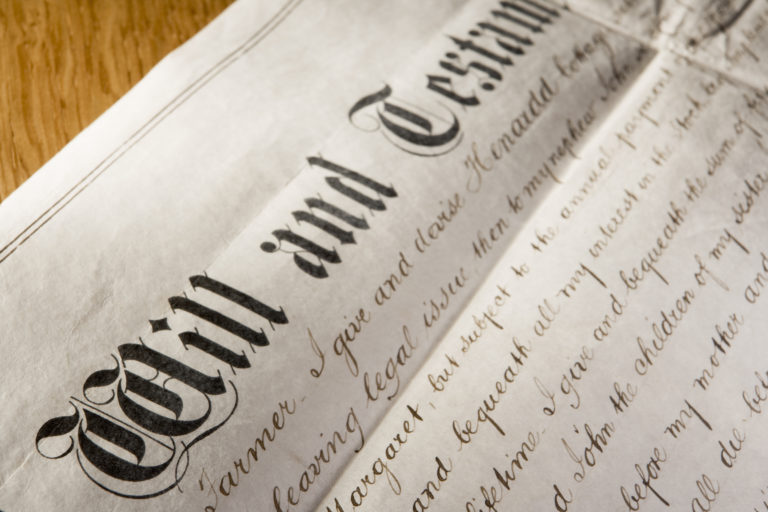
Without an estate plan in place, clients will be reliant on state laws and probate courts to appoint individuals who will be responsible for financial affairs and health-care decisions, in the case of illness and ultimately the transfer of assets upon death.

Too many people mistakenly believe that to have a need for estate planning, you must be old and wealthy. Nothing could be farther from the truth. Once you are a mature adult, independent, and income-producing, it is time to assume the responsibilities of preparing for your future. High on the list is preparing an estate plan with a clear understanding that your plan will be revised to adapt to changing circumstances.

It can be hard to move through your daily life after someone you love dies. It may be even harder to embark on the complex tasks required to put their financial affairs in order. However, you can’t afford to put that off.