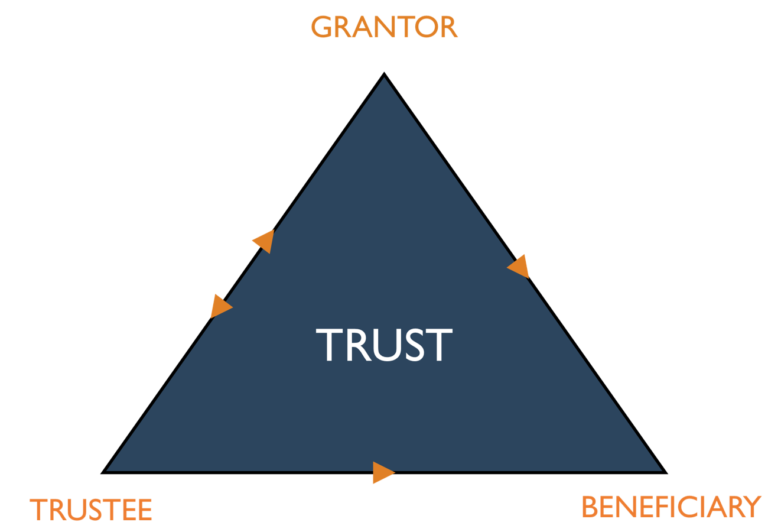
Why Would I Need a Living Trust?
Have you made any plans to distribute your assets and take care of your family, when you die or become incapacitated?


Have you made any plans to distribute your assets and take care of your family, when you die or become incapacitated?

In the pre-SECURE Act universe, there were designated beneficiaries. These beneficiaries could be individuals (sometimes called named beneficiaries), institutions, such as charities, or estates.

One of the best ways to prepare for retirement is to set aside money in a tax-advantaged retirement account. Hopefully, you have done so year after year and built a nice nest egg.

While most initial meetings with an estate planning attorney will result in some questions you likely have never considered, there are many ways in which you can prepare for a thoughtful and productive estate planning conference that will result in a better understanding of your goals and more efficient use of time with your attorney.

Sophisticated analyses take into account the tradeoff of receiving no income during the deferral period and more income later in retirement.
It’s generally a bad idea to name a trust as beneficiary of your IRA.
I understand that most people don’t need a living trust because probate is simple in the state, but can having a living trust save you time or money?
Now that there is a Democratic majority in the Senate and the House of Representatives, estate and gift tax law changes are expected to occur in 2021 or 2022.

Every estate plan should have a power of attorney, in which you give one or more people authority to act as agents on your behalf when you aren’t able to.
Depending on your family situation and the value of your estate, forming a trust can be an important addition to your farm transition plan.